What Is LoRa Mesh Networking?
LoRa Mesh Networking is a method of connecting many LoRa devices so that they can exchange information across a wide area. Unlike a single‑point network, where every node sends data to a single base station, a mesh network lets each node forward data to other nodes nearby. This creates a flexible chain of communication that can cover regions that would otherwise be unreachable for a single radio.
Core Concepts
LoRa: The Underlying Technology
LoRa (Long Range) is a low‑power, long‑range wireless protocol that operates in the unlicensed sub‑GHz spectrum. It sacrifices very high data rates for extended coverage, which makes it ideal for sensor and IoT applications.
Mesh: The Connectivity Model
A mesh network is built from nodes that act as both transmitters and receivers. Each node learns the best route to reach every other node, creating a dynamic web of connections. When one link fails, the network automatically reroutes data through alternative paths.
How It Works in Practice
When a LoRa device sends a packet, the packet is broadcast to all nodes within range. The nearest nodes that receive the packet store a copy and forward it further, until the packet reaches the destination. This orderly hop‑by‑hop forwarding is a key feature that distinguishes mesh protocols from simple broadcast.
Because each node relays messages, the overall reach of the network can span several kilometers, especially when nodes are positioned to provide line‑of‑sight and minimal obstacles.
Benefits for Intermediate Students to Explore
Students working with embedded systems can experiment with LoRa mesh networking to learn about:
• Routing algorithms – How nodes decide which neighbor to forward a packet to.
• Power‑efficiency strategies – Balancing transmission power with battery life.
• Scalability – Observing how adding more nodes affects throughput and latency.
Common Challenges
Interference and Signal Attenuation
Even though LoRa can reach far distances, obstacles such as buildings or trees can weaken signals. Mesh protocols help mitigate this by providing alternate paths.
Network Congestion
Because many nodes share the same frequency, simultaneous transmissions can collide. Careful duty cycle management and time‑slicing techniques are often required.
Security Considerations
Ensuring that only authorized nodes can join the mesh and that data remains confidential requires authentication and encryption protocols.
Real‑World Applications
LoRa Mesh Networking powers projects such as environmental monitoring in forests, where thousands of sensors relay humidity and temperature data back to a central gateway. Another example is smart agriculture, where irrigation controllers communicate along a farm‑wide mesh to optimize water usage.
Hands‑On Project Idea
Build a small campus‑scale mesh with a few Raspberry Pi boards equipped with LoRa hats. Write simple routing code in Python, then test how the network adapts when a node is removed or added.
Key Takeaway
LoRa Mesh Networking combines the power of long‑range radio with dynamic routing, giving students an excellent platform to explore ideas in routing, power management, and large‑scale sensor integration. By building and observing a mesh network, students gain hands‑on insight into how the Internet of Things can scale beyond a single access point.
LoRa Mesh Networking Overview
LoRa (Long Range) is a low‑power wide area network technology that uses chirp spread spectrum. In a mesh configuration, each node can act as a repeater, forwarding data through multiple hops to reach distant devices.
Because LoRa transmits at very low data rates, it can support long distances while keeping power consumption low. The typical single‑hop range in rural environments can reach 15 to 20 km, whereas in urban settings it is usually 3 to 5 km.
How the Mesh Extends Coverage
By allowing nodes to relay messages, a mesh can extend coverage beyond the direct line‑of‑sight of each device. Each hop may add a few kilometers, but practical limits arise from cumulative delay and energy constraints.
Factors that Influence the Effective Area
Transmission Power – 15 dBm is common; increasing it can raise the single‑hop distance but consumes more battery.
Receiver Sensitivity – Typical LoRa receivers can detect signals down to –140 dBm, enabling weak links over long distances.
Propagation Environment – Clearance of obstacles, frequency (433, 868, 915 MHz), and atmospheric conditions affect the usable distance.
Network Density – More nodes provide shorter hops, which can improve reliability but increase routing complexity.
Estimating the Covered Area
Assume a mesh network where each hop covers about 4 km in a rural setting. If a path uses 5 hops, the overall reach could exceed 20 km from the gateway. If the network is arranged in a circular pattern, the diameter of the coverage circle approximates the product of hop count and hop distance. For example, 6 hops × 4 km ≈ 24 km diameter, giving an area of roughly 3,600 km².
In practice, node distribution, interference, and power budgets reduce these ideal figures. A typical municipal deployment might realistically cover 10 to 30 km in diameter.
Teaching Tip
Use diagrams to show how a central gateway expands its influence through successive hops. In groups, let students calculate how many hops are needed to reach a target distance and discuss how power consumption scales with
Understanding LoRa Mesh Networking
LoRa (Long Range) is a modulation technique that achieves remarkable range and energy efficiency by spreading its signal over a wide bandwidth. A LoRa mesh network extends this reach by allowing nodes to forward packets for one another, creating a self‑routing, multi‑hop network. For students who are already comfortable with basic networking concepts, the key new elements to grasp here are the trade‑off between radio power, data rate, and the role of link budget in a mesh.
What is a Link Budget?
The link budget is a bookkeeping exercise that lets you predict whether a signal sent from a transmitter will be correctly received at another point. In its simplest form it is written as:
Received Power (dBm) = Transmit Power (dBm) + Gain (dB) – Loss (dB)
All helper elements—antenna gain, cable loss, path loss, and the receiver’s sensitivity—must be included. If the resulting received power falls below the receiver’s sensitivity threshold, data will be lost.
Why Power Levels Matter in LoRa Mesh
LoRa radios allow you to set a transmit power from 2 dBm to 20 dBm (or higher, depending on regulations). Higher transmit power pushes the signal farther and makes the link more tolerant to interference, but it also uses more battery power. In a mesh the advantage of higher power ripples through the network because each hop becomes more reliable, reducing the need for retransmissions.
In practice, most indoor LoRa mesh designs choose 15–18 dBm. Outdoor deployments typically settle on 20 dBm so that a node can still reach a distant gateway while still giving intermediate nodes enough margin on their links. Because mesh nodes repeatedly forward packets, they also need to respect global power limits; setting the same power for all nodes keeps the overall network energy consumption predictable.
Link Budget Example
Suppose two mesh nodes are 300 m apart in an urban environment. Using a 915 MHz band, the free‑space path loss at that distance is about 100 dB. Each node has a 2 dBi antenna and a low‑loss cable. The receiver is tuned to a sensitivity of –130 dBm on a spreading factor of 12. If each node transmits at 18 dBm, the calculation looks like:
Received Power = 18 dBm + 2 dBi – 100 dB = –80 dBm
This is well above the receiver sensitivity, so the link is considered reliable. If we reduce transmit power to 12 dBm, the received power drops to –86 dBm, which might still work in clean conditions but would struggle with multipath fading or additional noise. Thus, the power level directly shapes how many hops you can give each packet and how tightly you can pack nodes.
Balancing Power and Battery Life
In a mesh the same node may spend most of its time in receive mode and only wake to transmit when forwarding a packet. A higher transmit power will increase the current draw during those short bursts. Students should note that the overall energy budget is not just the instantaneous power, but the product of pulse duration and frequency. A carefully chosen power level that is just enough for the worst link will give the longest battery life.
Regulatory Limits and Be cautious
In many regions, LoRa devices must obey limits such as 14 dBm maximum for the 868 MHz band or 20 dBm for the 915 MHz US band. International regulations may also restrict duty cycle or band usage. When building a mesh in class, ask students to confirm their equipment’s compliance and to keep logs of measured transmit power values.
Practical Exercise for Students
1. Measure the received signal strength indicator (RSSI) between two nodes placed at a known distance, then ping each node with a packet while varying transmit power from 2 dBm to the maximum allowed.
2. Record the number of hops each packet takes to reach a gateway under different power settings. Use software to plot the link budget on the same graph.
3. Observe how increasing power reduces the number of required hops but also note the change in the battery’s discharge curve when you run the same experiment for an extended period.
By completing these steps, students will see firsthand how the radio transmit power, the link budget, and the mesh topology interact, and they will appreciate the engineering trade‑offs required to design a balanced LoRa mesh network.
What is LoRa Mesh Networking?
LoRa (Long Range) is a low‑power, long‑range wireless communication protocol that operates in the sub‑GHz industrial, scientific, and medical bands. When combined with mesh networking principles, it allows a network of devices to dynamically route data through multiple hops, extending coverage and resilience. In a mesh, each node can act as a repeater, forwarding packets to neighbors until the packet reaches its destination.
Key Characteristics of LoRa Mesh
The most striking features are the trade‑offs between range, data rate, and power consumption. LoRa offers a range of several kilometers in rural environments, with data rates from a few hundred bits per second to a few kilobits per second. In a mesh topology, the effective range can grow even further because packets hop from node to node. Low power is maintained because each node might stay in sleep mode most of the time, waking only when it needs to transmit or receive.
Hardware Building a LoRa Mesh
Creating a LoRa mesh network requires several pieces of hardware that work together: a microcontroller, a LoRa transceiver module, power management, and a suitable antenna.
Microcontroller Choices
For intermediate makers, the Arduino MKR WAN 1300 is a great starting point. It integrates a SAMD21 microcontroller with an on‑board 915 MHz LoRa module, making it easy to write firmware. More flexible options include the ESP32 with an external LoRa HAT, which offers dual‑core processing and Wi‑Fi connectivity in addition to LoRa. If you need a lower cost, third‑party boards like the STM32L4** series with an external SX1276 module can be considered, provided you install the appropriate library.
LoRa Transceiver Modules
The most popular LoRa chip is the Semtech SX1276, available as a stand‑alone module or part of a breakout board like the LoRa module 915 MHz ESP32 LoRa. For the 433 MHz band, the SX1278 variant can be used. It is crucial to pick the right frequency for your region to comply with local regulations.
Antennas and Enclosures
A good antenna can boost range significantly. Ferrite bead or helical antennas of the correct wavelength (≈ 30 cm for 915 MHz) are commonly used. Place the antenna on a shielded board or in an enclosure that does not interfere with the RF field. Use a low‑loss SMA connector if you want to swap antennas easily.
Power Management
LoRa mesh nodes must stay on for extended periods, so consider supercapacitors or Li‑Po batteries. A simple charging circuit using a 5 V USB charger and a step‑down regulator can keep the node powered. Monitor the battery voltage via an analog pin on the microcontroller to trigger a low‑power mode before the node dies.
Software Considerations
While the hardware provides the physical layer, the mesh logic lives in software. Libraries such as RadioHead or LoRaMesher for Arduino platforms simplify the implementation of hop routing, acknowledgements, and congestion control. When using ESP32, LoRaMac-node can be employed for LoRaWAN propagation, though for a pure mesh you may prefer a more flexible stack.
Common Applications and Projects
LoRa mesh is ideal for environmental monitoring, where sensor nodes spread across a forest send data back to a central station. Another use case is agricultural irrigation control, where pump stations communicate with each other to balance water distribution. Students can prototype a simple mesh by connecting three nodes: a main base station, a weather sensor, and a relay node placed a few meters apart. Experiment with packet loss and node failure to observe how the mesh re‑routes traffic.
Expanding Your Mesh
After you master a small network, try adding more nodes, varying the spacing, and introducing obstacles. Measure the packet success rate and observe how many hops are needed to reach distant sensors. This hands‑on experience will deepen your understanding of network topology, propagation, and the importance of proper antenna placement.
Next Steps for Exploration
Read the datasheet for the Semtech SX1276 to understand the register settings that control spreading factor, bandwidth, and power. Dive into the Arduino example code for the MKR WAN 1300 to see how to initialise the radio and send packets. Finally, experiment with different firmware libraries to compare their mesh algorithms.
LoRa Mesh Networking Basics
LoRa, short for Long Range, is a low–power wireless communication protocol that operates in the sub‑GHz spectrum. It was designed for long‑range, low‑data‑rate communications, making it an attractive choice for sensor networks that must span several kilometers while using minimal energy. A LoRa mesh is a network of nodes that can forward messages for each other, creating multiple independent paths between any two points. This redundancy improves reliability and extends the effective coverage beyond the range of a single link.
Why Choose a Mesh?
When sensors or actuators are scattered over a wide area, a single‑hop network—where every node talks directly to a base station—can become impractical. Latency, energy consumption, and allocation of scarce bandwidth rise sharply as distance increases. Mesh topologies allow intermediate nodes to relay packets, so messages travel through the shortest chain of hops. This keeps each individual hop short, reduces power usage, and provides multiple routes in case a node fails or becomes congested.
Inexpensive Single Board Computers as Mesh Nodes
Students can plug a LoRa radio module onto a compact, low‑cost board such as a Raspberry Pi Zero, an Arduino Nano 33 BLE, or an ESP32‑based NodeMCU. These SBCs already bring integrated Wi‑Fi, Bluetooth, and USB connectivity, which is handy for development and debugging. The LoRa module—typically a SemTech SX1276 or an RFM95W transceiver—provides the physical radio link. Together they form a hardware stack that is affordable enough for many laboratory or field‑experiment projects.
Adding Mesh Capabilities
To push the simple radio into a mesh, you need software that can discover neighbours, maintain a route table, and forward packets. Open‑source libraries such as the Arduino LoRa Library with Mesh or the LoRa-Mesh‑Scheduler for ESP32 can be deployed directly from the board’s firmware. The firmware typically runs an event‑driven loop: first it listens for broadcast beacons, updates its list of neighbour nodes, then forwards inbound packets that are not destined for itself. Because the code runs on an SBC, students can easily profile memory usage or experiment with alternative routing strategies.
Power Management in a Mesh
One of the meshes strongest characteristics is that it is naturally energy aware. Each node can enter deep sleep mode between transmissions. Since a LoRa module only needs to be active for a few milliseconds to send or receive a packet, the rest of the day the board stays in a low‑power state. Students can program watchdog timers or use the Linux systemd‑sleep hooks on a Pi Zero to wake the device only on scheduled intervals or when an incoming packet is detected.
Scalability Considerations
With a mesh you can add nodes incrementally. Adding a new relay expands the network’s footprint without the need for any backhaul infrastructure. As the number of nodes grows, students should monitor for increased network load. The simplest mitigation is to set a TTL (time‑to‑live) field in each packet, so a message only hops a limited number of times before it is discarded.
Hands‑On Project Ideas
For an intermediate‑level class, one can set up a grid of LoRa‑enabled Raspberry Pi Zero modules in a building or field and measure the end‑to‑end latency across varying hop counts. Another exercise is to program one node to act as a traffic controller, assigning hop counts dynamically based on battery level or signal strength. In both cases, the students learn how routing decisions are encoded in the wire protocol and how node software implements those decisions.
Collaborating with the Cloud
While the mesh performs local routing, the data usually needs to be sent to a central server for analysis. Cloud services such as AWS IoT, Azure IoT Hub, or Google Cloud IoT Core can receive LoRa packets via a gateway that aggregates data from multiple mesh links. Students can experiment with MQTT or CoAP transports running on the SBC, connecting the mesh to the Internet without additional hardware.
Summary
LoRa mesh networking, when paired with budget‐friendly single board computers and readily available radio add‑ons, gives students a practical playground for exploring concepts such as geographic routing, power‑aware design, and fault tolerance. By building their own mesh, learners gain hands‑on experience with real‑time embedded software, network protocols, and the trade‑offs that come with scaling a low‑power, wide‑area communication system.
LoRa Mesh Networking Overview
LoRa (Long Range) is a low‑power, long‑range wireless protocol that is widely used in Internet‑of‑Things (IoT) deployments. When LoRa is extended into a mesh network, each node can forward data to its neighbors, thereby extending coverage far beyond the reach of a single gateway. This architecture is particularly useful in remote or sparsely populated areas where installing a dense network of gateways is impractical.
How Mesh Works in LoRa
In a LoRa mesh, each node possesses at least one radio interface capable of sending and receiving packets. The node listens for incoming messages, then optionally rebroadcasts them. The mesh relies on simple routing protocols that preserve low power consumption, such as store‑carry‑forward or distance‑vector methods. By adding enough nodes, a path can be established between any two points in the network, even if there is no direct line‑of‑sight to a gateway.
Benefits for Intermediate Engineers
For students learning embedded networking, LoRa mesh offers a manageable learning curve: the physical layer is well‑documented, the spreading factors are easy to tweak, and the software stacks often expose simple APIs. On top of that, the mesh introduces concepts like multi‑hop routing and network redundancy, providing a practical playground for network simulation and prototyping.
High‑Gain Antennas in a LoRa Mesh
While LoRa radios can operate at very low power levels, the effective range of a single transmission remains limited by the antenna gain and the surrounding environment. High‑gain antennas—such as Yagi series, log‑periodic, or patch arrays—can significantly extend the horizon of each node by concentrating the radiated energy in a particular direction.
Why Use High‑Gain Antennas?
When a mesh node switches to a high‑gain antenna, its effective isotropic radiated power (EIRP) increases. This means that other nodes farther away can receive the signal with a higher signal‑to‑noise ratio (SNR), enabling lower duty cycles and reduced retransmissions. For students, experimenting with different antennas illustrates the trade‑off between directionality and network coverage: a highly directional antenna serves long‑range links but may leave blind spots if the node’s orientation is not carefully managed.
Practical Implementation Tips
Before attaching a high‑gain antenna to a LoRa module, verify that the antenna’s impedance matches the transmitter (usually 50 Ω). Use a matching network if necessary, or choose an antenna that already includes a balun. Also consider the antenna’s physical size: nodes deployed outdoors may need weather‑proof housings, and the mounting height can affect propagation over ground and trees.
Integration with Mesh Protocols
Many LoRa mesh stacks allow dynamic adjustment of the spreading factor (SF) and transmit power. When a node is equipped with a high‑gain antenna, it can safely use a lower SF to reduce airtime while still maintaining link integrity. This balances the trade‑off between bandwidth and range, a key lesson for students working on energy‑constrained devices.
Testing and Validation
Students should measure the received signal strength indicator (RSSI) and packet loss rate for both low‑gain and high‑gain configurations. Plotting the link budget against distance helps visualize how the antenna gain translates into real‑world performance gains. Documenting these results reinforces the importance of experimental validation in engineering projects.
Below is a concise guide aimed at students who already know the basics of RF communication but are new to the world of loosely coupled, long‑range wireless networks.
LoRa Mesh Networking
LoRa Mesh extends the reach of a single LoRa gateway by allowing end devices to forward data through their neighbours. Each node performs a dual role: as a transmitter, it sends its payload; as a receiver, it captures packets from other nodes and may rebroadcast them. This multi‑hop strategy reduces the required power for any one transmission, because data can hop along many short links instead of a single long one.
In practice, a node uses the same physical layer (spread spectrum, chirp modulation) as a conventional LoRa link. However, the firmware adds routing logic, message timers, and acknowledgements. The mesh can be fully self‑contained or can use an existing LoRaWAN network as a “cloud” layer that ultimately forwards the data to the Internet.
Limits on RF Power in a LoRa Mesh
LoRa devices operate under the regional frequency plan that sets the maximum transmit power (ERP) and effective radiated power (EIRP) they may use. For example, in the European 868 MHz band the legal ERP limit is +14 dBm, while in North America the 915 MHz band allows up to +16 dBm. Because a mesh node typically needs to transmit and receive many packets, it is often advantageous to keep power as low as the regulations allow.
Lower power reduces interference and energy consumption, both critical for battery‑powered nodes. Since a LoRa mesh can rely on multi‑hop routing, each hop can be made very short, so the channel can operate comfortably within the regulatory limits. The trade‑off is that fewer hops might be needed, increasing the effective range but raising the per‑hop cost in terms of power overhead and potential collisions.
Moreover, some regions adopt stricter rules for occupancy (maximum duty cycle) in addition to power limits. This means that not only the power but also the time a node spends transmitting is constrained. In a mesh, nodes typically employ store‑and‑forward procedures that help stay under the duty‑cycle ceiling by buffering payloads until bandwidth demand is lower.
In summary, LoRa mesh networks balance the allowed RF power with routing efficiency. By staying at the lowest permissible power level and using many short hops, a mesh can cover wide areas while conserving battery life and staying compliant with local regulations. This approach is ideal for smart‑city deployments, environmental monitoring, and industrial automation where reliability and longevity are paramount.
LoRa Mesh Networking: An Overview
LoRa, short for Long Range, is a low‑power wide‑area networking protocol that allows devices to communicate over several kilometers while drawing only a few microamps.
A LoRa mesh lets each node act as a router for its neighbors, creating a redundant network that is capable of self‑healing when a node fails or is temporarily out of range.
Resilience of LoRa Signals in Interference‑Rich Environments
Spread Spectrum and Channel Diversity
LoRa implements chirp spread spectrum, which spreads each data packet over a wide bandwidth. This technique makes the signal immune to narrowband interference and allows the receiver to recover the message even when part of the spectrum is contaminated.
Frequency Hopping and Channel Selection
In a mesh, nodes can dynamically switch to clear channels, reducing the chance that two links collide on the same frequency. The network can even coordinate channel use across hops, further minimizing the impact of external sources such as Wi‑Fi or Bluetooth.
Self‑Healing and Redundant Paths
When a node detects degraded signal quality due to interference, it can automatically route data through another neighbor. Because the mesh routes are computed on the fly, a single node’s failure or disturbance does not disconnect the entire network.
Use of Multiple Spreading Factors
LoRa allows packets to be transmitted with different spreading factors (SF). Higher SF values increase the time on air but also the signal’s ability to overcome interference. In a mesh, devices can negotiate the appropriate SF for each link, striking a balance between range, throughput, and resilience.
Teaching Strategy and Key Takeaways
When explaining LoRa mesh resilience, emphasize that the combination of spread spectrum, dynamic channel allocation, and redundant routing creates a system that tolerates many real‑world disturbances.
Encourage students to experiment by simulating an interference source in a classroom environment and observing how the network adapts. This hands‑on approach reinforces the principles of robustness and adaptability inherent in LoRa mesh networking.
Understanding LoRa and Mesh Networking
LoRa, short for Long Range, is a low power wide area network (LPWAN) technology that uses chirp spread spectrum modulation. It can transmit data several kilometers with a very small energy footprint, making it ideal for sensor networks, smart cities, and industrial IoT. When multiple LoRa nodes are linked together so that each node forwards packets to its neighbors, a mesh network is formed. This topology not only increases coverage but also introduces diversity, because a packet can take many alternate routes to reach its destination.
How LoRa Mesh Works
In a LoRa mesh, every node can act as a transmitter, receiver, and repeater. The network runs a routing protocol that keeps track of the best path to each target node. If one hop drops a packet because of interference or distance, the node simply forwards it via another neighbor. This self‑healing property is a major source of resilience for the system.
Role of Mesh Nodes
Mesh nodes are typically low‑cost microcontrollers combined with a LoRa radio transceiver and a power source. They share routing tables and forwarder configurations over the air. Because each node is constantly listening for control channels, the mesh can re‑optimize its topology without human intervention.
Multipath Propagation: What Happens to Signals?
When a LoRa signal traverses an environment with buildings, trees, or even metallic structures, it can bounce off surfaces and arrive at the receiver via multiple paths. These echo paths may interfere constructively or destructively, causing fluctuations in signal strength known as multipath fading. The timing differences between paths can also distort the pulse shape.
Key Challenges of Multipath for LoRa
Because LoRa relies on long-duration chirps, a strong multipath echo can create sidelobes that reduce the signal‑to‑noise ratio on the desired path. In extreme cases, this leads to a loss of packet integrity or higher bit‑error rates. Multipath effects tend to be more pronounced in urban settings where walls and vehicles create dense scattering.
Resilience of LoRa in Multipath Conditions
Even though the LoRa spread spectrum is inherently robust against narrowband interference, it also provides a natural buffer against multipath. The spreading factor (SF) controls how long each chirp lasts; a higher SF spreads the signal over a longer time, making the receiver more tolerant to timing shifts caused by bouncing paths. However, a higher SF also reduces data rate, so designers must balance resilience and throughput.
Why LoRa Is Robust
LoRa's chirp modulation spreads the energy of each symbol over a wide bandwidth, which in turn lowers the spectral density. This makes the signal resilient to narrowband interference and, importantly, it also mitigates the impact of delayed echoes because the modulation is self‑correlating. Additionally, link margin is often set higher for LoRa devices by keeping the transmission power low and the receiver sensitivity high. This margin acts like a safety buffer that absorbs some amount of signal degradation brought on by multipath.
Practical Tips for Building Resilient LoRa Mesh Networks
When designing a mesh that will operate in a multipath‑rich environment, consider the following practices:
• Use a moderate SF (e.g., SF10 or SF11) to keep a sweet spot between range and resilience. Too high an SF leads to a very slow network, while too low may compromise reliability.
• Increase the antenna height of each node. Even a modest rise above building rooftops or tree can significantly reduce reflected paths.
• Implement adaptive data rate (ADR). The ADR algorithm automatically tunes the transmission power and SF based on link quality metrics, which helps maintain robustness under changing multipath conditions.
• Use directional antennas or a combination of omnidirectional and sector antennas if the network geometry allows. Directionality can cut down on unwanted reflections.
• Keep firmware updated so that the mesh routing algorithm can react to topology changes due to node failures or environmental changes that alter the multipath profile.
By combining these design choices with the inherent robustness of LoRa
LoRa (Long Range) is a low‑power radio technology that can reach several kilometers on a single battery. When combined with mesh networking, it lets each device act both as a transmitter and a relay, so a message travels hop‑by‑hop until it reaches its destination. The result is a self‑healing network that can operate in places where traditional Wi‑Fi or cellular coverage is weak or nonexistent.
Why Mesh?
In a mesh, every node participates in routing traffic. That means if one device goes offline, the data can still find another path. For neighborhood messaging this is useful because a home‑grown network does not rely on any external infrastructure. A quiet cul‑de‑sac can become a resilient cluster that automatically re‑ routes messages whenever a unit drops out, without any system admin intervention.
Routing Basics
Behind the scenes, each LoRa node runs a lightweight protocol that shares its position and the quality of its links with the rest of the network. Nodes store a small routing table, often using a distance‑vector or link‑state algorithm adapted for low‑data‑rate environments. The tables are updated as often as every few seconds, keeping the paths efficient even when windows of interference appear.
Neighborhood Messaging
With LoRa mesh, citizens can send text, alerts, or status updates directly to neighbors. Because messages traverse many hops, a single subscriber can cover a whole block or a small town. The limited bandwidth – a few tens of kilobits per second – is more than enough for concise notifications, and data is encrypted end‑to‑end, so privacy is maintained even if a malicious device tries to intercept traffic.
Scalability and Power
Adding a new device is as simple as powering it on and connecting it to the existing mesh. Devices can run on a single AA battery for weeks, which removes the barrier of having to plug into mains. In practice, a neighborhood of 30–50 nodes can handle dozens of per‑hour messages and still conserve energy because each node sleeps most of the time and only wakes when it needs to forward a packet.
File Sharing in Mesh Mode
Although the data rate is low, LoRa mesh can still support the transfer of small files such as configuration scripts, firmware images, or maps. To keep transfers fast, the protocol splits files into chunks that fit within the LoRa packet size, then writes them in sequence. Although a 1 MB file will take a minute or more, this is acceptable for updates or for storing brief community documents that may not need instant access.
Use Cases
Neighborhoods often face limited internet connectivity and want a way to communicate during power outages. LoRa mesh can provide an emergency notification system, share local events, or distribute documents that do not require large bandwidth. When the network grows, it can even integrate with existing gateways to push a selected set of messages to the internet, allowing a hybrid solution that expands coverage as needed.
By understanding how LoRa and mesh networking work together, students can prototype resilient, low‑power communication systems that serve their own communities. The key concepts – low power, hop‑by‑hop routing, and minimal overhead – are the same principles that enable many modern IoT deployments. With a small chip, a battery, and a bit of code, you can build a neighborhood network that keeps people connected when it matters most.
LoRa Mesh Networking Basics
LoRa (Long Range) is a low‑power, long‑range cellular‑like wireless protocol that operates in the industrial, scientific, and medical (ISM) bands. LoRa mesh networking extends the basic point‑to‑point link by allowing multiple nodes to route data through each other, creating a robust, self‑healing network over large areas.
What Is LoRa?
LoRa encapsulates data in spread‑spectrum chirps, enabling ranges of several kilometres in open terrain and still functioning in cluttered urban environments. The key features are:
- Low power – an individual node can run on a single battery for months or even years.
- High penetration – signals can pass through walls and trees. Modulation – chirp spread spectrum makes the link robust to interference.
Mesh Topologies for LoRa
A mesh network is built from several gateway nodes that are interconnected. Each node can forward packets to its neighbours until the message reaches the destination. Two common topologies are:
Star‑of‑stars – each local group of sensors connects to a regional center that hub‑and‑spokes them network together. This reduces the load on any single node.
Fully‑connected mesh – every node is reachable through multiple paths, so if one link fails the data will still reach the gateway through another route.
Why Mesh Is Valuable for Telemetry
Telemetry systems send continuous streams of status information from field sensors to control centres. The benefits of LoRa mesh for this application include:
- Redundancy – if one node fails, the data can hop through another route.
- Scalability – adding new sensors does not require a new gateway; they simply join the existing mesh. Wide coverage – a single mesh may span a forest or a campus, eliminating the need for GPS‑based routing.
Design Considerations
Node Placement – Position nodes such that each one has a line of sight to at least two neighbours. This creates alternative paths for signal routing.
Power Consumption – Mesh routing consumes additional processing, so optimize firmware to enter deep sleep when idle. Use adaptive payloads so that only the essential telemetry is transmitted.
Data Rate & Size – LoRa supports various data rates; choose a rate that balances distance and packet size. For simple telemetry a tiny pulse of a few bytes can be sent every few minutes.
Practical Example: Farm Monitoring
Consider a farm with hundreds of soil moisture sensors. Each sensor is a LoRa node. The sensors form a mesh so that if a vessel of soil lies in the way of a direct path to the gateway, the data is forwarded via a neighbour hidden behind the barrier. The gateway then forwards all telemetry to the cloud. Because the mesh spreads the load, the average transmit power per node is low, prolonging battery life.
Testing and Troubleshooting
Begin by validating connectivity between two random nodes. Use a simple ping test to confirm that messages pass through the network. If a hop fails, examine antenna orientation and local interference sources. Employ diagnostic firmware that logs the number of hops and delay for each packet.
Conclusion
LoRa mesh networking offers a powerful and cost‑effective route for telemetry data. By teaching intermediate students the fundamentals of topology, node placement, and power management, they will be equipped to design resilient, large‑scale wireless monitoring systems in the real world.
Understanding LoRa Mesh Networking
LoRa (Long Range) is a low‑power, wide‑area communication technology that allows devices to talk over distances of several kilometers while using very little energy. In a standard LoRa network, sensors or transmitters send data to a gateway that forwards the message to a central server. However, if the gateway is lost or overwhelmed, the network’s ability to deliver information is severely hampered.
A mesh network changes that picture. In a mesh, every node can act as a relay, forwarding messages from one node to the next until the data reaches its destination. This self‑healing topology means that if one path fails, another can form automatically. Because LoRa inherently supports multi‑hop communication and offers long range, it is a natural fit for building resilient mesh networks.
Key Features of a LoRa Mesh
1. Low Power – Devices power down most of the time and wake only to transmit or receive, extending battery life to years.
2. Long Range – A single LoRa link can cover many kilometers, which reduces the number of hops needed in a mesh and lowers latency.
3. Self‑Configuration – Mesh nodes automatically discover neighbours and update routing tables without human intervention.
4. Scalability – Adding new sensors or gateways merely expands the network rather than changing its foundational design.
LoRa Mesh in Emergency Communications
When an emergency strikes—natural disasters, accidents, or crises—traditional communication infrastructure may fail. Fortunately, a LoRa mesh can maintain critical data channels while keeping power consumption low.
Real‑world Example: In an earthquake‑prone region, a network of environmental sensors can detect shaking and floods. If a local cell tower goes down, the LoRa mesh routes the alerts to neighbouring nodes, which hop the information to a central command centre in a nearby city. Each hop is reliable, low‑cost, and can operate on battery alone.
Benefits for Emergency Response Teams
Rapid Deployment – Since the mesh grows organically, emergency crews can set up point‐to‑point links between rescue stations and hospitals in hours.
Robustness – The network’s ability to automatically re‑route around damaged nodes ensures that situational reports stay flowing, even when parts of the region are cut off.
Low Bandwidth, High Reliability – LoRa is suited for transmitting short but critical messages, such as GPS waypoints, health status updates, or flood levels, where each packet’s delivery is more important than its volume.
Teaching Students to Build Their Own LoRa Mesh
Start by picking a simple topology: a line of three nodes. Each node connects to the next using LoRa modules. Write the firmware so that each node receives a message, appends its ID, and forwards it. After verification, add a fourth node, and observe how the network automatically adjusts to route the packet over the new path.
Use network diagnostic tools—such as ping tests and routing tables—to show students how the mesh discovers the best path. Encourage experimentation with packet loss simulation: disconnect one node and watch how traffic reroutes around the outage.
Hands‑On Projects
Design a small disaster‑response simulation: deploy sensor nodes across a campus, have them broadcast temperature and humidity, and set up a central dashboard that updates in real time. Show how the mesh keeps the dashboard updated even when an intermediate node fails.
Introduce more advanced concepts gradually, such as dynamic power control or adaptive data rate, so students appreciate the trade‑offs between battery life, range, and throughput.
Conclusion
LoRa mesh networking is a powerful tool for maintaining communication during emergencies. Its long range, low power consumption, and self‑healing nature make it ideal for emergency scenarios where traditional infrastructures may be unreliable. By guiding intermediate students through practical projects, we can teach them both the theory and the hands‑on skills needed to design, implement, and maintain resilient LoRa meshes that can save lives when it matters most.
LoRa Mesh Networking Overview
LoRa (Long Range) technology was originally designed for point‑to‑point low‑power wide‑area communication. When we add a mesh architecture on top of LoRa, routers and end‑devices can forward packets to each other, creating a self‑organising network that extends coverage without the need for a fixed gateway. In a LoRa mesh every node can act as a relay, reducing the dependency on infrastructure and improving redundancy.
The philosophy behind a LoRa mesh is simple: each node has a unique identifier and a pair of cryptographic keys. When a message is broadcast, it is forwarded only to nodes that have explicit permissions, dramatically limiting the attack surface compared to a traditional star topology.
Key Characteristics of LoRa Mesh
Low Power Consumption – Each hop consumes only a fraction of the battery life typically required for cellular connections, allowing devices to operate for years on a single coin cell.
Long Range – LoRa’s sub‑GHz frequency band can cover several kilometres in rural settings and hundreds of metres in urban environments.
Scalability – A mesh brings the ability to scale organically; adding nodes can improve routing efficiency, not degrade it.
Security Challenges in LoRa Mesh
Because devices across a LoRa mesh are typically software‑defined and distributed, it is crucial to defend against several threat vectors: unauthorized access, replay attacks, and packet tampering. In contrast to a single‑gateway design, a mesh enables a potential attacker to compromise one node and then hop through the network. Therefore, end‑to‑end encryption and robust key management are mandatory.
Common Vulnerabilities
Without proper precautions, an attacker could intercept delicate telemetry, modify commands, or inject malicious packets that travel farther than intended.
Replay attacks can be executed by re‑broadcasting captured packets, causing devices to react to outdated instructions.
Encryption Techniques for LoRa Mesh
The standard LoRaWAN protocol already includes encryption of the payload using a 16‑byte AES key, but a mesh array adds extra layers. To secure a LoRa mesh we typically use:
- Transport Layer Encryption – Every packet is wrapped in AES‑128. The session key is derived from a master key that is unique to each node pair.
- Integrity Check – A cyclic redundancy check (CRC) and an authentication tag prevent tampering.
- Secure Key Exchange – Public‑key cryptography (e.g., Elliptic Curve Diffie‑Hellman) establishes a shared secret before a lightweight AES‐based session key is generated.
Because LoRa devices usually have limited flash and computational resources, these algorithms must be efficient. AES‑128 is simple enough to run in a microcontroller while proving sufficient against today’s adversaries.
Group Key Management
For messages that need to reach multiple recipients (e.g., a firmware broadcast), a hierarchical key structure is valuable. The network manager distributes a group key to all nodes; thereafter each node encrypts the message with that group key, reducing the overhead of establishing pair‑wise keys for many devices.
If a node is compromised, the administrator can rotate the group key and revoke the compromised node’s identity, maintaining overall network integrity.
Implementation Tips for Beginners
1. Use the Latest LoRaWAN Specification – Versions 1.0.3 and later incorporate numerous security improvements, including mandatory secure join procedures.
2. Choose a Strong Random Number Generator – Secure session keys depend on good entropy. Hardware random number generators are recommended over pseudo‑random algorithms.
3. Keep Firmware Updated – Regularly push encrypted updates. A countermeasure against malware is to verify digital signatures on firmware blobs.
4. Deploy a Role‑Based Access Control – Each node should know which message types it may forward. Limiting an improperly configured node from acting as a forwarder can stop lateral movement.
Real‑World Example: Agriculture Monitoring
Imagine a rural farm with wind‑turbine‑generated batteries powering hundreds of sensor nodes. These provide soil moisture, temperature, and pest alerts. By leveraging a LoRa mesh, the data travels from the sensor to the nearest node, hops along the field, and finally reaches the base station. Each hop is authenticated and encrypted, ensuring a farmer can trust the data without fear of someone injecting false readings that might trigger costly equipment usage.
Lessons Learned
In such deployments, it is common to notice:
Automatic Topology Re‑configuration – When a node fails, the mesh instantly reroutes traffic, a feature that is only useful when security remains intact.
Early detection of propagating anomalies is critical; design the mesh so that suspicious packets are logged and flagged for manual inspection.
Concluding Thoughts
LoRa mesh networking unlocks incredible possibilities for low‑power, wide‑area deployments. However, its power is only as strong as its security.
In the realm of low‑power wide‑area networks, LoRa has become a popular choice because of its long‑range, low‑power consumption, and compatibility with unlicensed ISM bands. A lightweight enhancement to simple point‑to‑point LoRa links is the concept of a LoRa mesh network, where each node can forward messages on behalf of others, creating a self‑organizing system that can cover obstacles and extend the collective range beyond that of a single radio.
Why a Mesh?
Unlicensed airwaves are shared, meaning that the radio environment can be dense and unpredictable. A single LoRa link, no matter how powerful, can be obstructed by buildings, trees, or mobile users. By allowing nodes to relay traffic, a mesh reduces dependency on a single route. If one node drops out or experiences high interference, messages can be resent via alternate paths. This makes the network more robust for applications such as environmental monitoring, smart agriculture, or city infrastructure.
Basic Architecture of a LoRa Mesh
A typical LoRa mesh is constituted by three core components:
1. Radio Nodes
Every node has a LoRa transceiver, usually in the 868 MHz or 915 MHz band, and a small microcontroller. The node can act as both a sender and a forwarder, storing packets temporarily if the next hop is currently busy. Nodes often run a lightweight routing protocol, such as 6TiSCH or a custom scheme like LoRaBonomi.
2. Communication Protocol
Because LoRa uses low data rates, spreading factors (SF) and bandwidth (BW) settings must be carefully selected. In a mesh, higher SFs are used for long links, but to conserve bandwidth the network may employ adaptive data rate (ADR) to lower SF when a direct neighbor is close. The routing algorithm decides whether to transmit directly or to hop, based on hop count, signal quality, and node energy usage.
3. Network Management
Intermediate handlers, such as routers or base stations, may remain in the mesh. They provide gateways to the internet or cloud services and help maintain routing tables. Without a central base, the mesh operates in a full‑mesh mode, where each node keeps track of its neighbors and shares status updates via periodic beacon frames.
Designing for Unlicensed Band Experimentation
When working in the unlicensed spectrum, the main constraints are duty‑cycle limits and interference avoidance. A LoRa mesh can be tuned for experiments in the following ways:
1. Duty‑Cycle Compliance
Each node should enforce a 1% duty cycle on the 868 MHz band. Rather than sending many small packets, payloads can be combined or aggregated, reducing the number of transmissions. A mesh can implement a store‑and‑forward feature where nodes wait for an unused channel before rebroadcasting.
2. Interoperability with Other Systems
To avoid cross‑talk with other LoRa deployments, the mesh can run on a sub‑band or a distinct SF that is less crowded. During experiments, nodes may log Received Signal Strength Indicator (RSSI) and Link Quality Indicator (LQI) for offline analysis.
3. Security Considerations
Although the network operates on an open band, encryption of payloads is still essential for demonstration projects that involve sensitive data. AES‑128 is the standard for LoRaWAN; for mesh experiments, seed keys can be distributed manually or via secure bootstrapping.
Putting It All Together: A Mini‑Project Idea
For intermediate students, a practical exercise could involve building a 3‑node LoRa mesh: a sensor node, a relay node, and a gateway. The sensor measures temperature, includes a time stamp, and sends it to the relay. The relay forwards the packet to the gateway, which then forwards it to a simple web server that displays the readings. Students learn:
• How to set up LoRa radio modules on microcontrollers.
• How to implement a minimal routing table.
• How to measure and plot network statistics like delay, packet loss, and battery usage.
• How to abide by regulatory constraints such as duty cycle limits.
Through this hands‑on project, students gain an appreciation for the challenges and advantages of using LoRa in a mesh topology within the constraints of unlicensed airwaves. They also develop skills that apply directly to real‑world IoT deployments where reliability, scalability, and regulatory compliance must coexist.
LoRa Mesh Networking
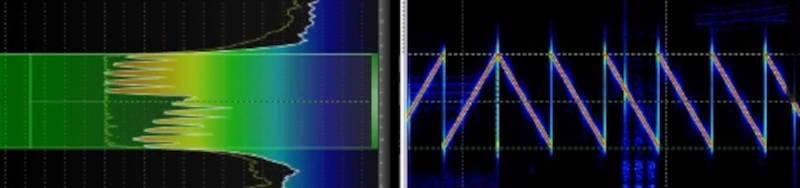
LoRa (Long Range) is a modulation technique that turns a tiny radio chip into a long‑range, low‑power link. In a mesh network each node can forward packets to its neighbors, extending the coverage far beyond a single‑hop distance. Think of the mesh as a telephone line that automatically reroutes along many possible paths, so even if one node fails the others keep the communication alive.
Because LoRa uses chirp spread spectrum, a signal can be received at very low signal‑to‑noise ratios. This makes it attractive for Internet‑of‑Things devices, environmental sensors, and emergency communication systems. The messages are usually short, but the network can be built over many kilometers if the power budget allows.
Where LoRa Meets Amateur Radio Bands
Amateur radio operators already use a broad range of frequencies. In many regions the sub‑GHz bands—such as 433 MHz in Europe and 915 MHz in the United States—are allotted for both industrial, scientific, and medical (ISM) use and for amateur use. This overlap raises an important question: Can LoRa devices legally operate in those bands when an operator is licensed?
Power and Duty‑Cycle Restrictions
Under the global amateur radio regulations, the maximum effective radiated power (ERP) in these sub‑GHz bands is typically limited to 1 W (30 dBm) for most amateur use. Many commercial LoRa modules produce 14 dBm or less, which is well within the allowance. However, you must also observe the duty‑cycle limits that vary by band. For example, in the 915‑928 MHz band the fixed‑frequency and chirp‑spread modes are allowed only up to 1 % duty cycle, meaning a node can transmit 1 minute for every 100 minutes.
Allowed Modes and Modulation
Regulators generally permit licensed amateur use of any modulation, provided the transmission remains within the band and power limits. LoRa’s chirp spread spectrum falls under that umbrella, as it is a form of frequency‑hopping. Nevertheless, you should check the specific rules of the country where you operate. In the United States, FCC Part 97 allows amateur equipment in the 915‑928 MHz band, so a LoRa node with a licensed antenna and power controller is permitted.
Frequency Planning and Content Control
Even if you have a valid license, you must still comply with the technical standards of your band. Avoid using the 902–928 MHz band for emergency or non‑amateur content if your license does not cover it. All transmitted information must remain within the subject matter allowed to licensed amateurs—communications with other licensed stations, simple telemetry, and educational demonstrations are typically fine, while broadcast music is not.
Implications for LoRa Mesh Projects
For a class project where students build a LoRa mesh, the key steps are:
- Confirm that the board or module you use can operate under the legal power and duty cycle limits of your local band.
- Validate that the frequency used matches the band you hold a license for. In the U.S., a 915 MHz module that is set to 902–928 MHz is acceptable if you have a 15 W analog license.
- Incorporate a power‑control circuit in the design that automatically limits the output power.
- Use the freeware firmware often delivered with the module to automatically respect the duty‑cycle clock specified by the regulator.
When everything is set up correctly, you can run a private educational mesh for hours at a time, learning about routing protocols, node discovery, and how low‑power networks can keep connectivity in remote or disaster areas. The only condition: keep the chirp spread traffic within the agreed band limits, and remember that the community’s goodwill is earned by operating responsibly.
Summary
LoRa’s clever chirp modulation lets you connect sensors over long distances. By aligning the choice of sub‑GHz frequency, limiting transmit power, and respecting duty‑cycle rules, amateur radio operators can bring LoRa mesh networking into their hobby or educational projects. The same fundamentals that ensure reliable communication in a
LoRa Mesh Networking Overview
LoRa, short for Long Range, is a proprietary low‑power, long‑range radio modulation technology that operates in Unlicensed Industrial, Scientific and Medical (ISM) bands. When we add the concept of mesh networking to LoRa, we obtain a self‑organizing network where each node can relay data for others, extending coverage beyond the reach of a single base station. For students who are already comfortable with basic wireless concepts, it is helpful to see how mesh topologies turn many small, low‑portion nodes into a powerful, wide‑area fabric.
Why the ISM Band Matters for LoRa Mesh
Medium or low‑frequency ISM bands such as 433 MHz, 868 MHz, and 915 MHz provide a balance of propagation characteristics and regulatory simplicity. Lower frequencies propagate further through buildings and obstacles, which is essential for a mesh that relies on inter‑node links. If a network were built in a very high‑frequency band, path loss and antenna size would dramatically increase, reducing the viability of a dense mesh. Thus, LoRa on medium or low ISMs is naturally aligned with the mesh design goal of low power and wide area coverage.
Frequency‑Dependent Link Budget
The link budget is the equation that tells us how far a radio signal can travel while still being decoded successfully. On the 868 MHz band, a typical LoRa node can transmit at 14 dBm and receive down to –136 dBm on the lowest data rate. That leaves a generous difference of over 150 dB of usable link margin. In a mesh, each hop can operate at the lowest feasible data rate, maximizing range and power savings. Students should note that each additional hop trades off latency for coverage: more hops mean more retransmissions, but the network can still function in areas with severe attenuation.
Regulatory Constraints and Duty Cycle
ISMs are unlicensed, but most regions impose a duty‑cycle limit of 1 % or 0.1 % to prevent a single device from monopolizing the band. Mesh nodes can comply by spreading the traffic over time or by grouping traffic into bursts. Furthermore, on a 433 MHz network, the duty‑cycle window is generally larger, enabling more data per unit time without violating regulations. Understanding these limits is critical when designing the mesh protocol stack, because each node must yield the channel periodically yet maintain end‑to‑end reliability.
How LoRa Mesh Improves Usability
For applications such as smart agriculture or remote monitoring, the combination of medium‑frequency LoRa and mesh networking enables sensors to travel across hills, through crops, or over municipal buildings without the need for infrastructure. The mesh automatically calibrates its routing table based on link quality, which means that a damaged node simply drops out and the network reorganizes in real time. This self‑healing property is a major usability advantage: technicians need not manually re‑configure or reconnect each sensor after a failure.
Power Management in Mesh Nodes
Each LoRa node typically sleeps for most of its life, waking only to transmit a small packet or to listen for a beacon from a neighbor. Because the medium‑frequency ISM bands support low duty cycles, these wake‑ups consume little energy. In a mesh, deployment designers can often schedule wake‑up times to be staggered, ensuring minimum contention and reduced packet collisions. Mid‑level students should experiment with different sleep durations and observe how the overall network lifetime extends when the aggregate duty cycle is kept low.
Key Takeaways
LoRa mesh networking leverages the long propagation range of medium or low ISM frequencies while preserving ultra‑low power consumption. The network automatically adapts to node failures, works within regulatory duty‑cycle boundaries, and can be scaled to hundreds of devices. For students who have mastered the fundamentals of LoRa and mesh concepts, the next step is to prototype a simple 868 MHz mesh with a few software‑defined radios and measure the real‑world link budget under various environmental conditions.
© 2005 - 2026 AB9IL.net, All Rights Reserved.
Written and curated by Philip Collier / AB9IL.
About Philip Collier / AB9IL, Commentaries and Op-Eds, Contact, Privacy Policy and Disclosures, XML Sitemap.